


The Human Brain, Society, and Parasites: Common Knowledge Bar Lecture with Paul Smaldino, PhD
Dates
03/10/26 - 03/10/26
ADDRESS
Tandem Coffee & Wine
3100 Folsom Boulevard #100, Sacramento, CA, 95816
General Day & Time
6:00 pm - 9:00 pm
6pm – Doors Open – grab a drink and mingle. We’ll have trivia questions on the screen and some surprises
6:45pm – Introduction & Prize Giveaway
7pm – Lecture begins
7:40pm – Q&A
8pm – Have some wine and meet the speaker, mingle, hang out
9pm – You don’t have to go home, but you can’t stay here
Admission info
Admission is $35.
20% discount for Sacramento365 Readers with code: sac365
We expect this event to sell out. Tickets must be purchased online prior to the event.
Change your mind? Cancellation is easy. You may cancel your ticket for a full refund up to 48 hours before the event.
We treat our guests like family so anything you need, just get in touch: info@cklectures.com
Students! We offer a student discount – just email info@cklectures.com from your student email address and we’ll send you a 20% off discount code.
Common Knowledge is for everyone! If you want to attend an event but can’t afford a full price ticket we have you covered. Just email us at info@cklectures.com and we’ll help you out.
This event already sold out but join the waiting list to hear about more Common Knowledge lectures coming soon!
This is Common Knowledge's Kickoff bar lecture event!
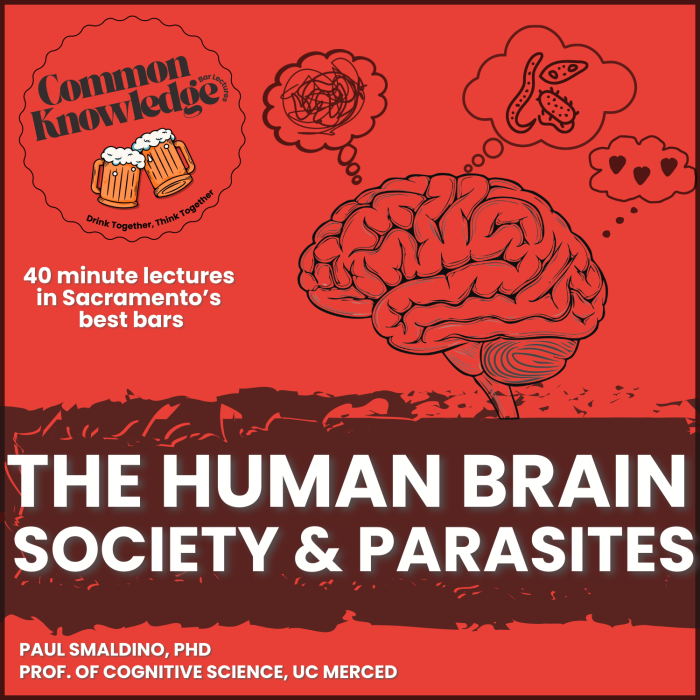
Title – The Human Brain, Society & Parasites
Speaker – Paul Smaldino, PhD, Professor of Cognitive and Information Sciences at UC Merced
Location – Tandem Coffee & Wine in East Sacramento
Have you ever wondered why you have a brain? Some animals, like parasitic roundworms, barely have a brain at all, while you’re sitting around with a massive cerebrum in your skull. Brains evolved to help their owners to make better decisions. Different animals have different brains because they needed to solve different problems in order to live, thrive, and survive. Human brains, however, are special, because they have supercharged our abilities to understand and manipulate our world by putting our heads together. In doing so, we have created a sort of super-brain, extended across space and time, that gives us good stuff like language and cake, as well as bad stuff like [knowing glance at the news]. So stop doomscrolling and spend the evening with cognitive scientist and complex systems researcher Professor Paul Smaldino (UC Merced, Santa Fe Institute) as he talks about brains, behaviors, and the evolution of society.
Dr. Paul Smaldino studies how behaviors emerge and evolve in response to social, cultural, and ecological pressures, as well as how those pressures can themselves evolve. He is a Professor of Cognitive & Information Sciences, and faculty in the Quantitative and Systems Biology graduate program at UC Merced. He is affiliated with UC Merced's Center for Analytic Political Engagement, the Center for Interdisciplinary Neuroscience, and the Health Sciences Research Institute. He's also an External Professor at the Santa Fe Institute.
All Common Knowledge events are 21+
What to Expect:
At Common Knowledge we believe that learning something new is the most rewarding and fun thing you can do. We're about bringing diverse people and ideas together to have a great time.
This event is open seating so come at 6pm to to grab a drink and a seat. Before the lecture we'll have music and trivia questions on the screen. We'll also have a fun, low pressure “side quest” so you can win a free drink.
The lecture will last for 40 minutes and are made for an intelligent, general audience so you don't need any science background to have a great time. After the lecture, there will be 20 minutes for Q&A and then the bar will be open for another hour to hang out, meet the speaker, and discuss the ideas you just heard.
This calendar listing is brought to you by Sacramento365, the region's one-stop, online calendar for arts and entertainment events, powered by Visit Sacramento and the City of Sacramento's Office of Arts and Culture (OAC).

More Events
03/01/26 - 03/01/26
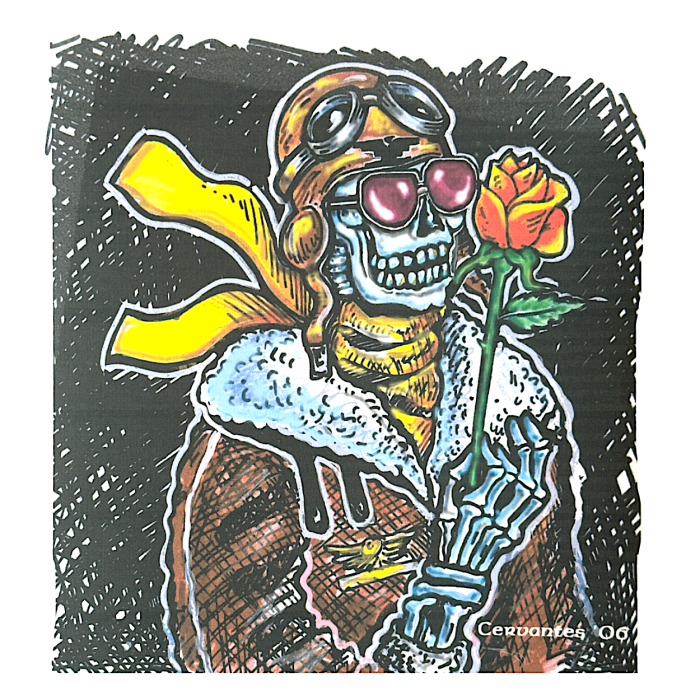
InFormation: A Celebration of the Royal Chicano Air Force
03/06/26 - 03/06/26
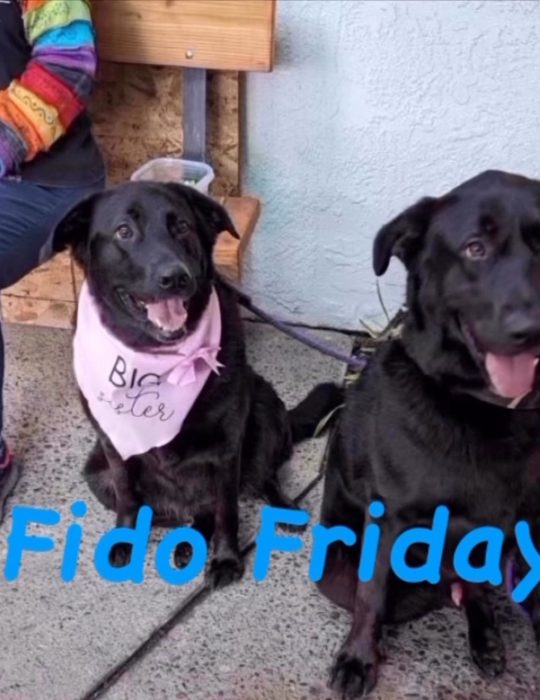
Fido Fridays
03/06/26 - 03/06/26
Verge’s Teen Art Club
03/08/26 - 03/08/26
Little’s Lab
03/09/26 - 03/09/26
An Evening with Michael Pollan
03/11/26 - 03/11/26
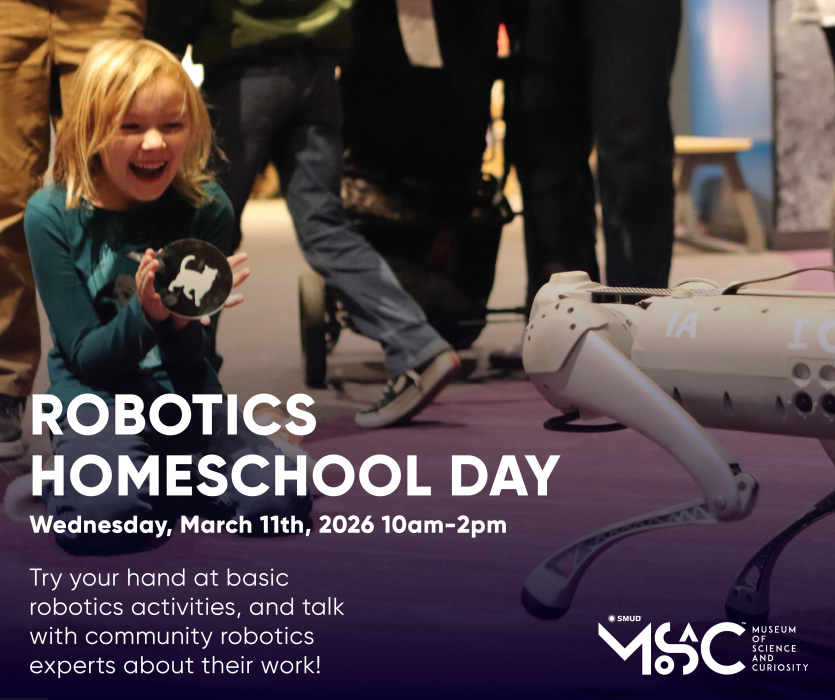
Homeschool Day Robotics
03/12/26 - 03/12/26
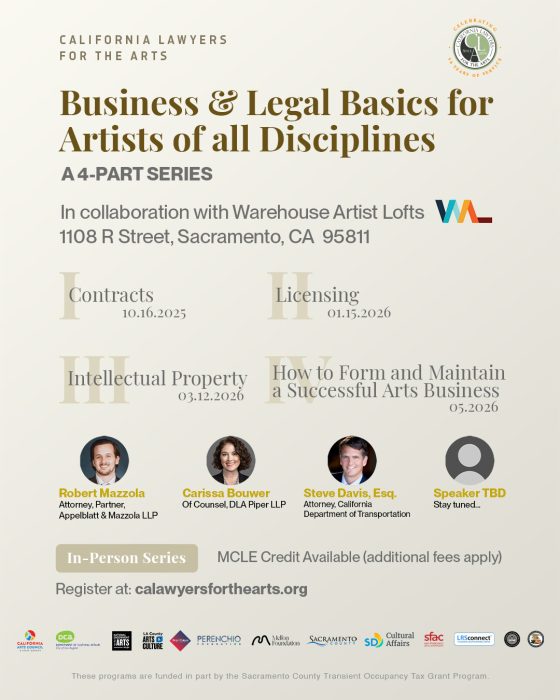
Business and Legal Basics for Artists of all Disciplines
03/13/26 - 03/13/26
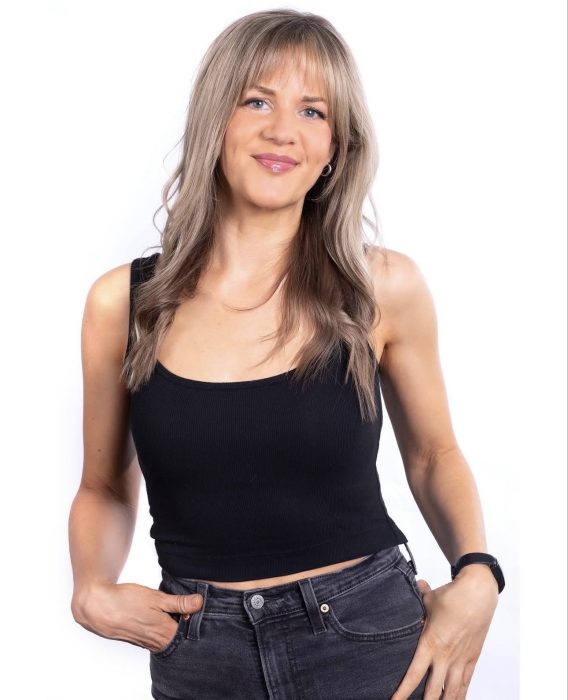
Flower Fist Comedy Show: Lara Beitz
03/14/26 - 03/14/26
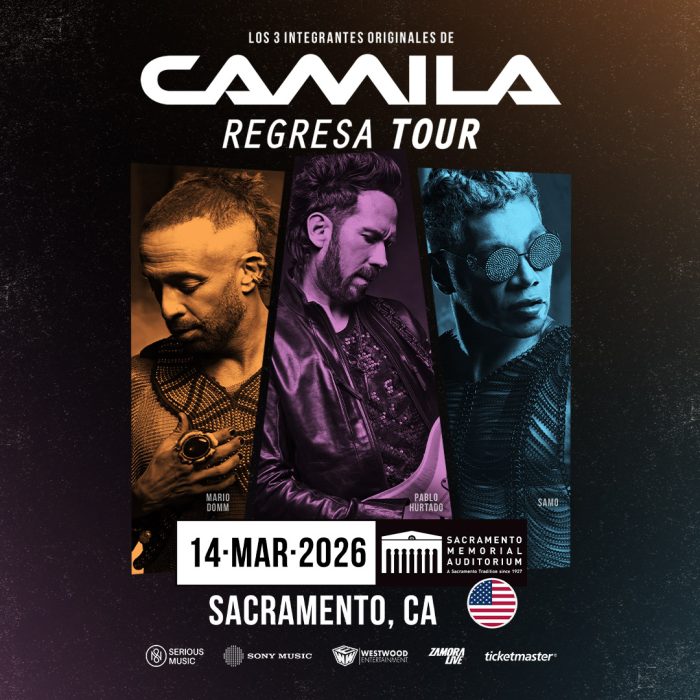
Camila

03/14/26 - 03/14/26
The Official Lucky’s St Patrick’s Day Bar Crawl
03/14/26 - 03/14/26
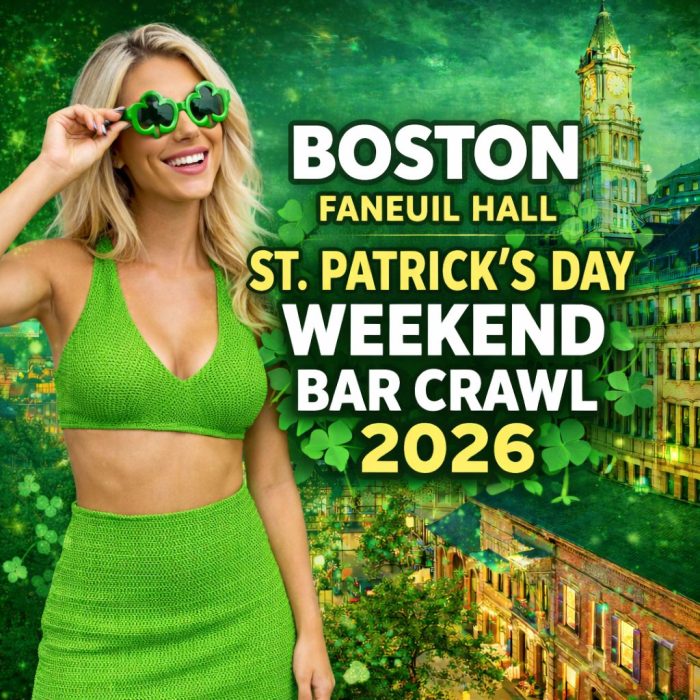
Sacramento St. Patrick’s Day Weekend Bar Crawl 2026
03/15/26 - 03/15/26
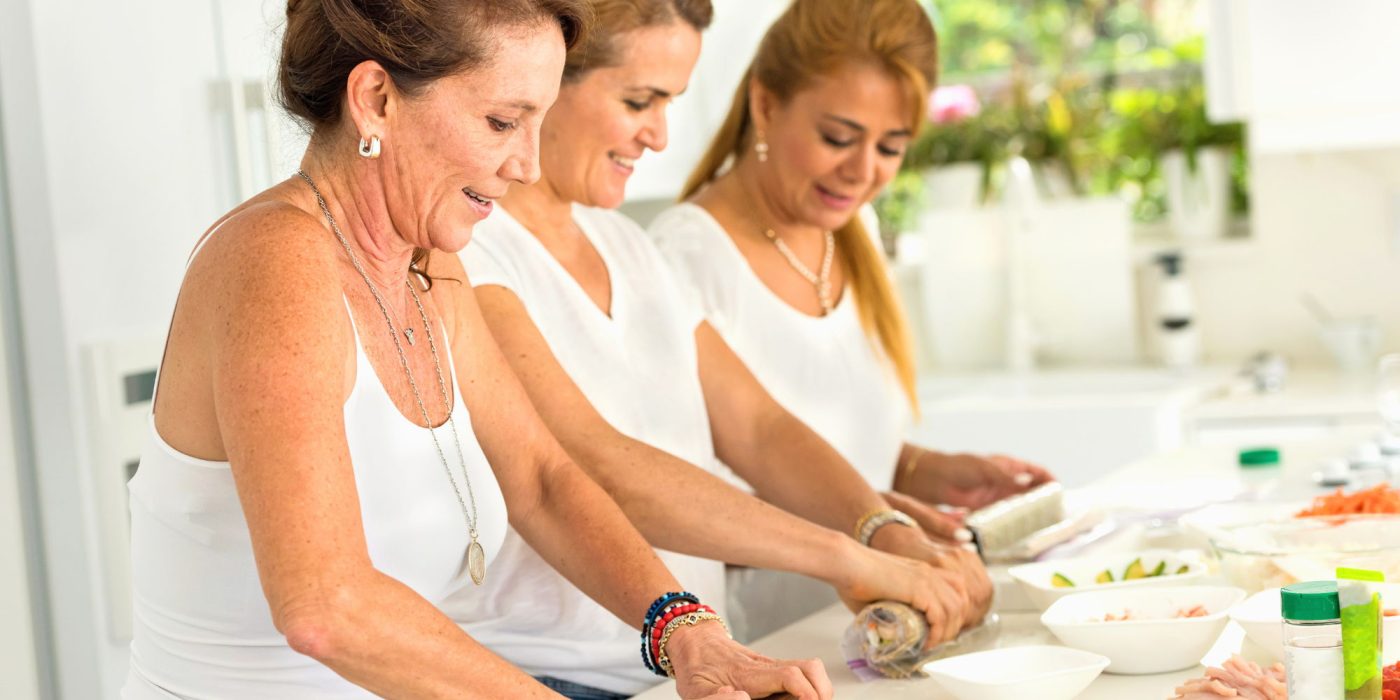
Make Sushi Rolls With Chef Birdie

03/21/26 - 03/21/26
Sac Comic Con March
03/26/26 - 03/26/26
Monotype Printmaking
03/29/26 - 03/29/26
Pysanka: Ukrainian Egg Dyeing
03/30/26 - 03/30/26
Spring Kids Camp: Creative Journaling

04/12/26 - 04/12/26
Bridal and Wedding Expo

05/01/26 - 05/01/26
Rene Vaca

05/23/26 - 05/23/26

